- English
- 简体中文
- Español
- Português
- русский
- Français
- 日本語
- Deutsch
- tiếng Việt
- Italiano
- Nederlands
- ภาษาไทย
- Polski
- 한국어
- Svenska
- magyar
- Malay
- বাংলা ভাষার
- Dansk
- Suomi
- हिन्दी
- Pilipino
- Türkçe
- Gaeilge
- العربية
- Indonesia
- Norsk
- تمل
- český
- ελληνικά
- український
- Javanese
- فارسی
- தமிழ்
- తెలుగు
- नेपाली
- Burmese
- български
- ລາວ
- Latine
- Қазақша
- Euskal
- Azərbaycan
- Slovenský jazyk
- Македонски
- Lietuvos
- Eesti Keel
- Română
- Slovenski
- मराठी

How Does a Battery Swapping Connector Enable Faster and Safer Energy Replacement
2025-12-18
The Battery Swapping Connector is becoming a critical component in modern electric mobility and energy storage systems. In this article, we explore how battery swapping connectors work, why they are essential for electric vehicles and industrial applications, and what key design features ensure safety, durability, and efficiency. As a professional manufacturer, CRETOP delivers reliable battery swapping connector solutions designed for high-current, high-frequency, and mission-critical environments.
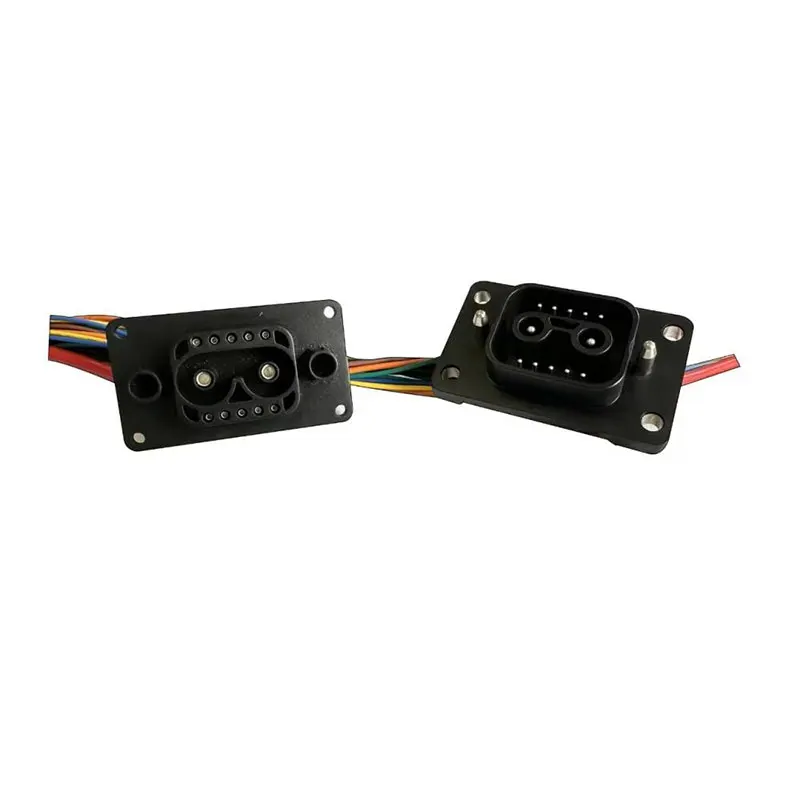
Table of Contents
- What Is a Battery Swapping Connector?
- How Does a Battery Swapping Connector Work?
- Where Are Battery Swapping Connectors Used?
- What Key Features Define a High-Quality Battery Swapping Connector?
- Which Technical Parameters Matter Most?
- Why Are Safety and Reliability So Critical?
- How Should You Choose the Right Battery Swapping Connector?
- What Is the Future of Battery Swapping Connector Technology?
- Frequently Asked Questions
What Is a Battery Swapping Connector?
A Battery Swapping Connector is a specialized electrical connector designed to enable fast, repeatable, and secure connection between a battery pack and a host system. Unlike conventional charging connectors, battery swapping connectors are engineered for frequent plug-in and unplug cycles, often under high current loads and demanding environmental conditions.
In battery swapping systems, speed and consistency are essential. The connector must ensure stable electrical contact, precise alignment, and robust mechanical locking. At CRETOP, battery swapping connectors are designed to meet these requirements while supporting scalable deployment across electric vehicles, robotics, and energy infrastructure.
How Does a Battery Swapping Connector Work?
The working principle of a battery swapping connector revolves around three core functions: electrical conduction, mechanical positioning, and safety interlocking.
- Electrical conduction: High-current terminals ensure low contact resistance and minimal energy loss.
- Mechanical alignment: Guide structures and floating designs compensate for misalignment during insertion.
- Safety interlock: Signal pins and locking mechanisms prevent live connection or disconnection.
When a battery pack is inserted, the connector establishes power, signal, and grounding paths in a controlled sequence, ensuring both user safety and system stability.
Where Are Battery Swapping Connectors Used?
Battery swapping connectors are widely used in scenarios where downtime must be minimized and energy replacement must be standardized.
- Electric scooters and motorcycles
- Electric buses and logistics vehicles
- Autonomous mobile robots (AMRs)
- Industrial energy storage systems
- Uninterruptible power supply (UPS) modules
In all these applications, the battery swapping connector acts as the physical and electrical interface that enables rapid energy turnover.
What Key Features Define a High-Quality Battery Swapping Connector?
A reliable battery swapping connector must combine electrical performance with mechanical endurance.
- High current capacity with stable contact resistance
- Long mating life for frequent swapping cycles
- Vibration and shock resistance
- Integrated signal and power contacts
- Environmental sealing against dust and moisture
CRETOP focuses on material selection, precision manufacturing, and rigorous testing to ensure each battery swapping connector meets these criteria.
Which Technical Parameters Matter Most?
| Parameter | Description | Why It Matters |
|---|---|---|
| Rated Current | Maximum continuous operating current | Determines power delivery capability |
| Contact Resistance | Electrical resistance at mating interface | Affects heat generation and efficiency |
| Mating Cycles | Number of insertions and removals | Defines connector lifespan |
| Insulation Voltage | Maximum voltage isolation | Ensures electrical safety |
Why Are Safety and Reliability So Critical?
Battery swapping connectors often operate under high voltage and current conditions. Any failure can result in overheating, arcing, or system shutdown. That is why safety-oriented design is non-negotiable.
Features such as touch-proof contacts, staged connection sequencing, and robust locking systems significantly reduce operational risk. CRETOP integrates these safety considerations into every battery swapping connector design.
How Should You Choose the Right Battery Swapping Connector?
Selecting the right battery swapping connector depends on application requirements rather than price alone.
- Define current and voltage requirements
- Evaluate environmental conditions
- Consider mating frequency and lifecycle cost
- Ensure compliance with relevant standards
Working with an experienced manufacturer like CRETOP ensures technical support throughout the design and deployment process.
What Is the Future of Battery Swapping Connector Technology?
As battery swapping ecosystems expand, connectors will evolve toward higher power density, smarter signal integration, and automated docking compatibility. Modular designs and digital monitoring will further enhance system efficiency and predictive maintenance.
Battery swapping connectors will continue to play a central role in enabling sustainable, scalable electric mobility worldwide.
Frequently Asked Questions
What makes a battery swapping connector different from a charging connector?
A battery swapping connector is designed for frequent mechanical engagement and high-current transfer, while charging connectors prioritize longer connection duration.
How long does a battery swapping connector typically last?
High-quality connectors can support tens of thousands of mating cycles when properly designed and maintained.
Can battery swapping connectors support both power and communication?
Yes, most modern battery swapping connectors integrate power, signal, and grounding contacts within a single interface.
Why choose CRETOP for battery swapping connectors?
CRETOP combines engineering expertise, strict quality control, and application-focused design to deliver dependable battery swapping connector solutions.
If you are developing or upgrading a battery swapping system and need a reliable Battery Swapping Connector, CRETOP is ready to support your project with proven solutions and professional service. Contact us today to discuss your technical requirements and explore customized connector options.